Lub Dub Lab is building a voice-based AI platform that turns everyday smartphone recordings into early heart disease insights.
Simple. Universal. Scalable.
The Problem
Despite being the leading cause of death globally, heart disease still lacks a simple, universal, and scalable screening approach. Current evaluation requires multiple complex tests — making screening fragmented, costly, and inaccessible.
The Solution
View Demo DashboardOur platform turns everyday smartphone voice recordings into early heart disease insights — no specialist, no lab, no expensive equipment required.
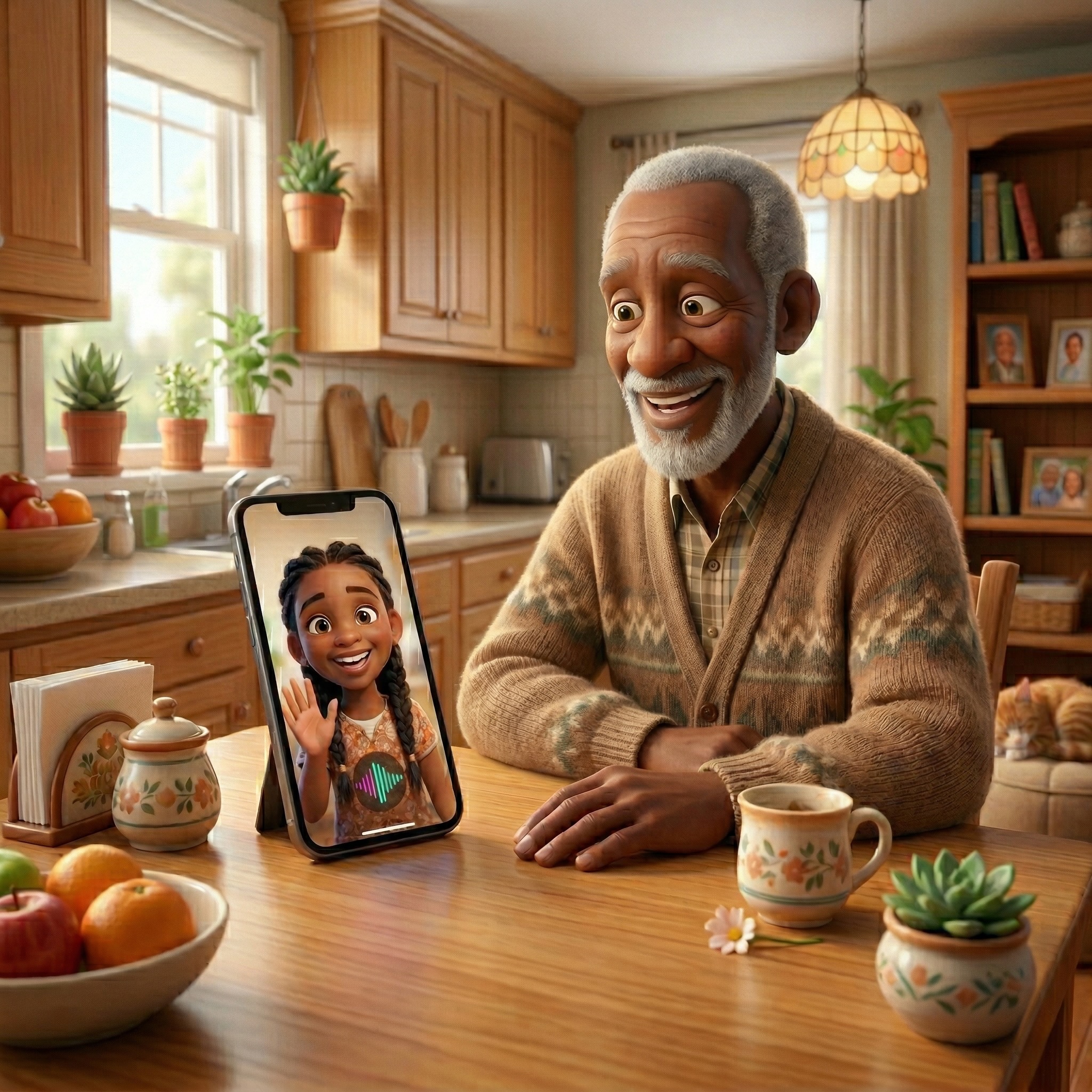
Record 30–90 seconds anywhere — at home, in clinic, or via a scheduling call.
Detects subtle physiological signals in speech — pitch, rhythm, resonance, and acoustic texture linked to cardiac function.
Multi-lingual, multi-cultural design. Reduces barriers for underserved populations in the U.S., India, Argentina, and beyond.
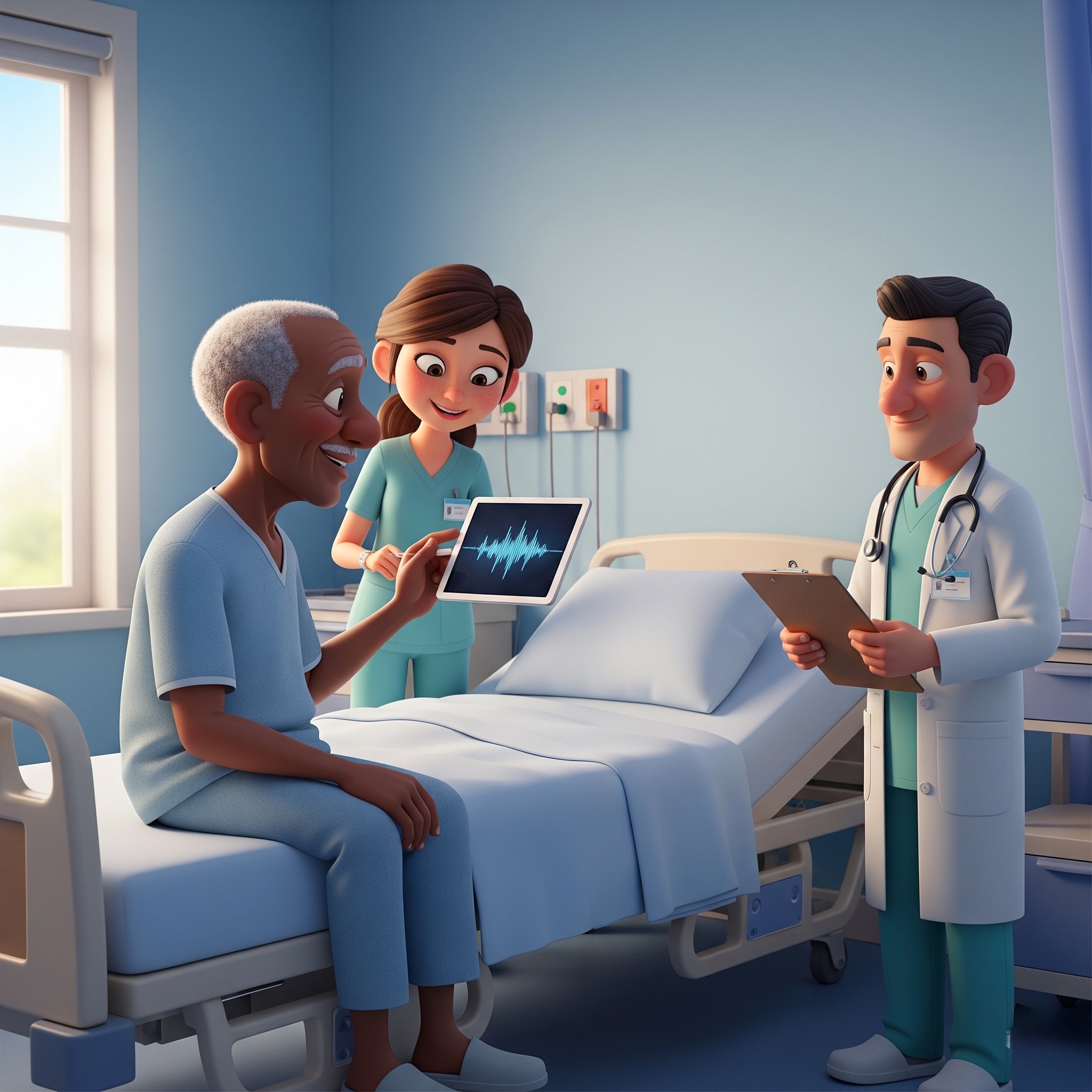
Patient records personal voice baseline at hospital prior to discharge.
Patient tracks voice, weight, and blood pressure daily via app, WhatsApp, or Alexa.
ML detects clinically meaningful deviation from personal baseline.
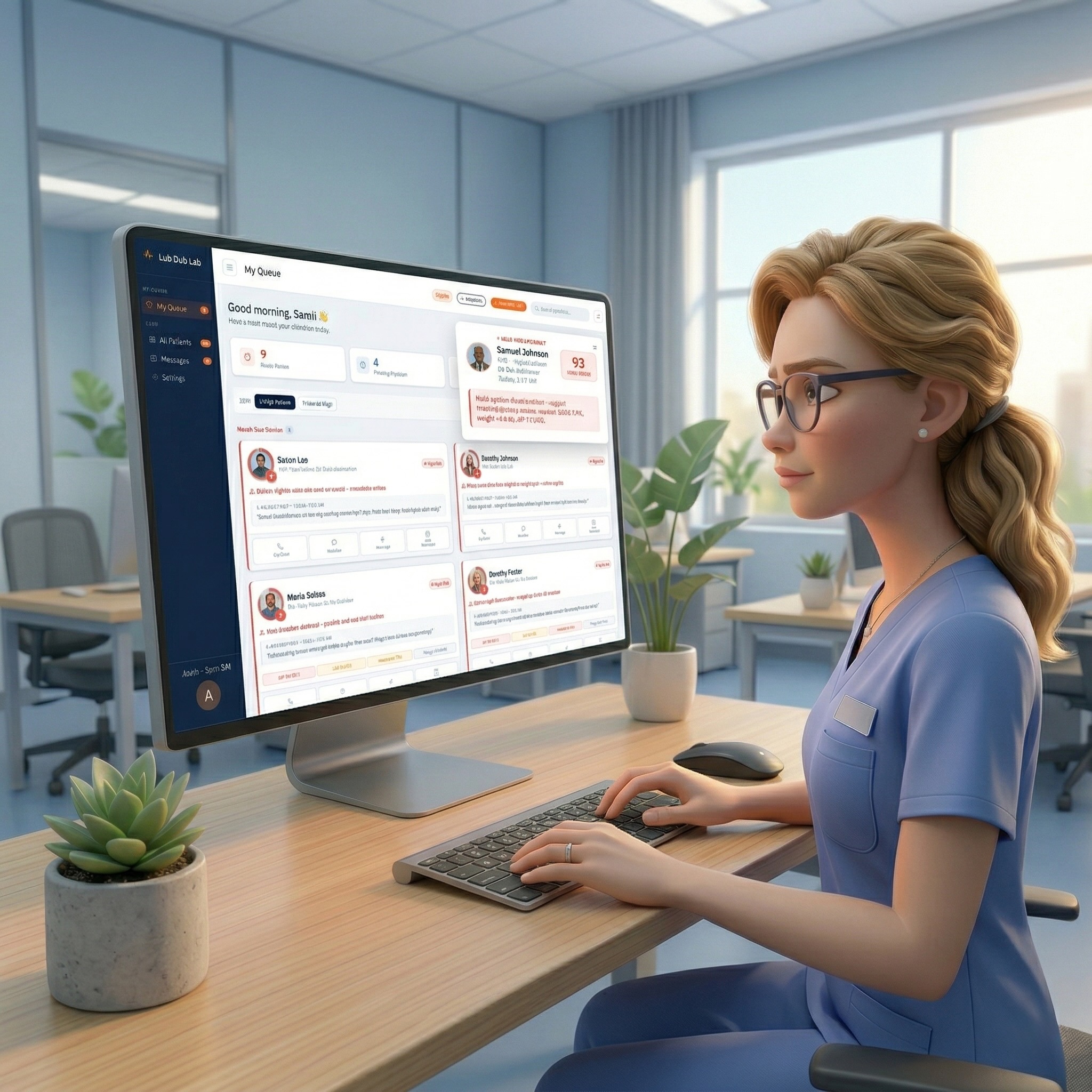
Clinical coordinator receives prioritized alert — only when action is warranted.
Nurse escalates to physician based on alert severity and clinical context.
Medication adjustment, patient call, or follow-up visit — before readmission.
Scientific Foundation
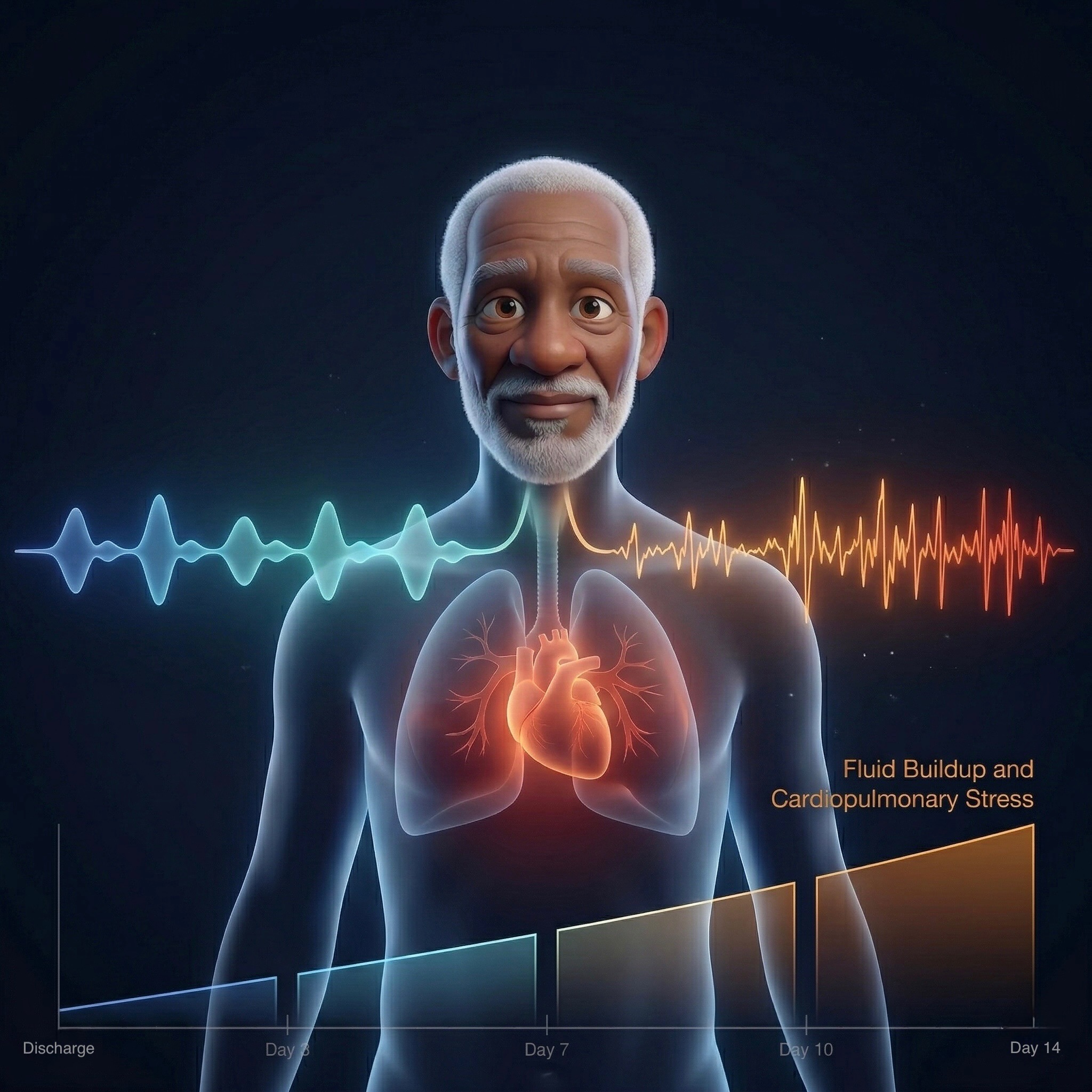
Our platform builds on a growing body of published evidence linking vocal biomarkers to cardiovascular disease. When heart failure worsens, fluid accumulates in the lungs and throat — subtly altering speech patterns detectable by machine learning.
Voice characteristics changed during acute heart failure decompensation and improved with clinical stabilization.
A 30-second voice biomarker predicted a 2.6× higher risk of future major cardiac events at follow-up.
Voice signal characteristics were independently associated with coronary artery disease after adjusting for standard risk factors.
Across studies, vocal biomarkers consistently correlated with heart failure severity and outcomes.
Voice analytics enabled low-friction, workflow-integrated monitoring of heart failure patients.
Speech and acoustic biomarkers are recognized as scalable tools for cardiovascular risk stratification and monitoring.
Development Roadmap
Our platform is deployed as a clinical decision support tool that assists clinicians without providing direct diagnostic outputs — qualifying for FDA enforcement discretion and enabling market entry while clinical evidence accumulates.
As predictive performance matures, we will pursue FDA De Novo clearance as a Software as a Medical Device, with data from early deployments directly supporting the submission and CE marking for EU markets pursued in parallel.
Clinical Studies
Recruiting ~1,000 patients vs. Mayo Clinic's 108. A larger dataset enables more robust model training and validation.
Multi-site study across the U.S., India, and Argentina — capturing accents, languages, and cultural speech patterns.
Testing both smartphone-built-in microphones and external mics to compare signal strength & model performance.
Dataset includes both heart failure and coronary artery disease patients, enabling cross-indication signal comparison.
The Team
We combine physician-scientist depth, operational rigor, and commercial healthcare experience — united by a personal connection to the problem.
Get Involved
We're looking for clinical partners, research collaborators, and investors who believe the future of cardiac care is non-invasive, accessible, and intelligent.
MIT Sloan, Cambridge, MA
Clinical partnerships, research collaboration, seed investment, advisory introductions, and pilot hospital discussions.
Thanks for reaching out. We'll be in touch within 2 business days.